We use cookies to make your experience better. To comply with the new e-Privacy directive, we need to ask for your consent to set the cookies. Learn more.
Chef's Aprons: Your Questions Answered
- Oliver Harveys
- News
- 2 Dec 2025
-
337views
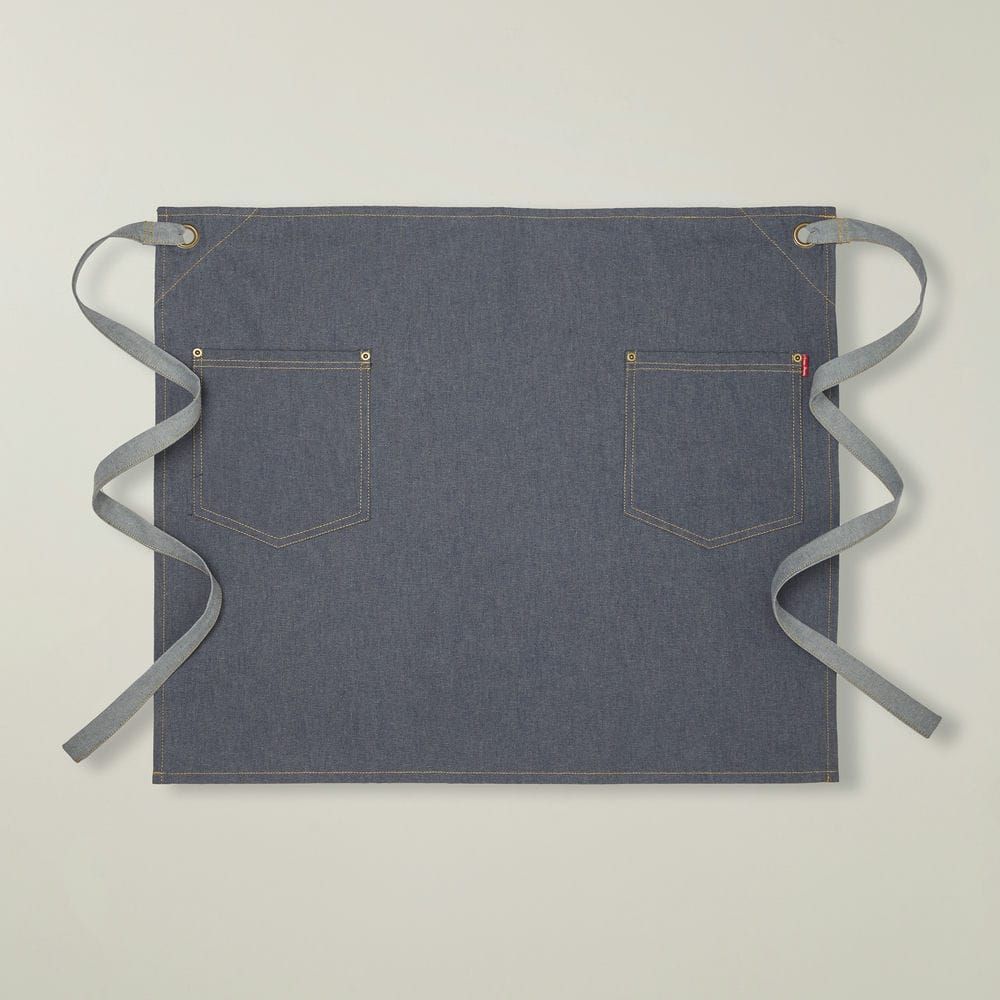
In the fast-paced kitchen setting of the modern culinary world, chef aprons continue to be one of the most essential items in a chef uniform. From protection to establishing professionalism, aprons have been part of the culinary arts for centuries.
At Oliver Harvey, we design aprons that meet the demands of real chefs. Founded with a commitment to British manufacturing and high quality craftsmanship, our brand creates garments that stand up to the heat of the grill, and everything in between.
This blog answers common questions chefs and kitchen teams ask when choosing the right apron for them.
What is the purpose of a chef apron?
A chef apron serves practical roles in any kitchen environment. With its primary functions being:
- Professionalism: providing a unified appearance within the kitchen team
- Protection: shielding chefs’ clothes and skin from spills, splashes, and heat
- Utility: offering pockets to store essentials, therefore helping chefs work efficiently
Aprons also reflect hierarchy, style, and kitchen culture—from minimalist bib aprons to heritage inspired stripes.
Benefits and Key Features to Look For
The best aprons combine durability, comfort, and practicality. Key features include:
- Adjustable neck loop for comfort during long shifts
- Multiple pockets for thermometers, pens, and small tools
- Easy to clean fabrics- suitable for the needs of a commercial kitchen
- Comfort focused fit for chefs that are constantly moving
- Reinforced stitching to withstand the pressures of daily wear
Best Materials and Fabrics for Chef Aprons
Each fabric responds differently to stains, heat, and repeated laundering. It’s important to choose the right material that allows for longevity, reliability and comfort. Here are some things to consider with different apron materials:
- Recycled polyester/ Organic cotton: Breathable, comfortable and sustainable
- Poly-cotton blends: Lightweight and ideal for hot kitchens
- Leather: Quick to clean and robust, useful for protection
- Denim: Hard wearing, tough and a timeless appeal. Denim ages to look rustic
How to choose the right chef apron
Your apron choice can affect comfort, appearance, and productivity, so you should consider:
- Your role: Head chefs tend to go for premium fabrics for better quality, longevity and a smart look. However, commis chefs might prefer lightweight poly-cotton
- Kitchen style: Open kitchens often select aprons that complement the restaurant’s aesthetic and match brand colours
- Functionality: Extra pockets, towel loops, or adjustable straps
For a full breakdown, see our in-depth guide on how to choose the right apron.
How to tie a chef’s apron
For those beginning their culinary journey,- follow these steps:
- Place the apron against your body, ensuring the top sits below the collarbone
- Pull the waist ties behind your back
- Cross them over and bring them back to the front
- Tie a secure bow at the front—this allows quick access if you need to remove the apron fast. Although, some chefs prefer tying at the back, front-tying remains the professional standard.
What types of aprons do chefs wear?
There are many types of aprons worn, such as:
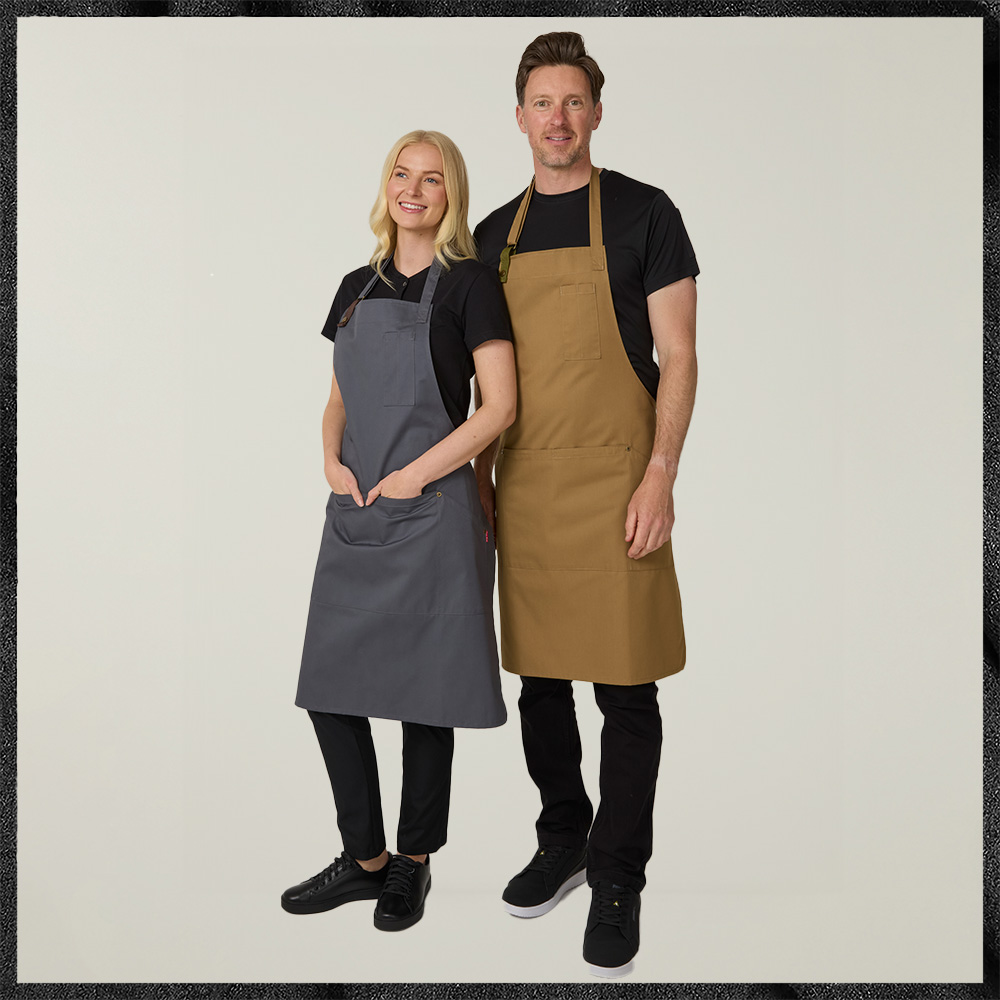
- Bib Aprons - The classic style offering full torso coverage
- Waist Aprons - Shorter and worn around the waist to cover the lower body, common for front of house and pastry chefs
- Cross Back Aprons - Made to relieve pressure from the neck
- Butcher’s Aprons - Recognised for their distinctive stripes and quality
Your choice can depend on role, preference, and working conditions.
What colour apron do chefs wear?
Different kitchens have their own preferences, however, common colours include:
- Black: Professional, modern, and excellent at hiding stains
- White: A classic choice symbolising cleanliness
- Blue: Frequently used in high-visibility or allergen-aware work areas
- Striped: Traditionally linked to butchers and heritage-style kitchens
Colour coding helps create clear distinctions between team members. One of the many reasons why chefs choose different aprons in the first place.
Why Do Chefs Wear Striped Aprons?
Striped aprons, especially navy and white butchers’ stripes—are iconic within the UK cooking field. Chefs wear striped aprons because:
- They are highly durable, traditionally made from thick cotton
- They help distinguish specific roles, such as butchers or prep cooks
- They have heritage appeal, linking modern kitchens to classic culinary traditions from the past
Chefs often choose them for both style and practicality.
Why Do Chefs Wear Blue Aprons?
Even though less common than black or white, blue aprons have specific uses:
- To denote allergen-trained staff
- To improve team visibility in busy kitchens
- To differentiate roles quickly during service
Blue aprons are particularly ideal in large kitchens where clear visual cues are essential.
Care and Maintenance
The lifespan of a chef apron depends significantly on proper care. Tips for Maintenance:
- Wash at recommended temperatures to preserve colour and fabric integrity
- Treat stains early for best results
- Avoid high-heat tumble drying if possible
- Store neatly folded to maintain professional presentation and prevent creasing
High quality aprons, when cared for correctly, will withstand daily use and frequent washing so they look good as new.
Conclusion
Whether you’re new to the culinary industry or looking to refresh your chef uniforms, understanding the purpose, materials, and features will help you make the best choice. Picking the right chef apron will help you improve comfort, professionalism, and performance for your team.
Explore our premium range of chef aprons today.
Related Posts



Recent Posts
1
Customer Survey 2026
10 Feb 2026
2

12 Days of Christmas 2025!
1 Dec 2025
3
Sustainable Launch
4 Nov 2025
4
Chef's Trousers: Your Questions Answered
30 Oct 2025
5
Buy British Day 2025
29 Sept 2025
 RSS Feed