Behind the Line: Why Professional Chefs Use Black Chef Trousers
- Oliver Harveys
- News
- 13 Mar 2026
-
148views
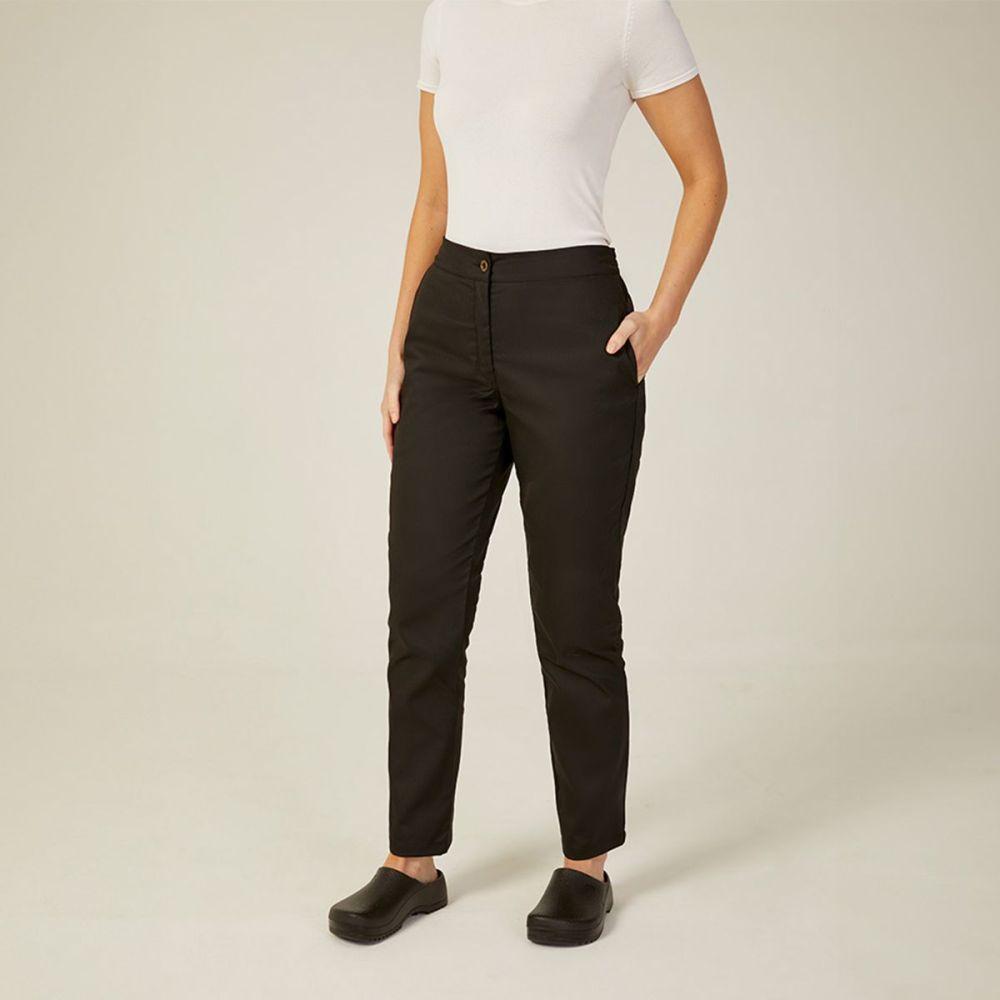
From fine dining restaurants to busy hotel kitchens, black chef trousers have become a staple of professional culinary uniforms. Although, traditional checkered patterns still have their place, more chefs are choosing chef trousers black for practical, professional, and stylistic reasons.
Why Do Chefs Wear Black Trousers?
Black communicates authority, precision, and professionalism, creating a smart and modern look. In open kitchens especially, chefs black trousers create a clean, cohesive appearance that matches black jackets, aprons, and front-of-house uniforms.
In many modern restaurants, chef black trousers are part of a sleek, branded aesthetic. They photograph well, look sharp under bright lighting, and highlight a contemporary culinary environment.
Do Black Chef Trousers Hide Stains Better?
Yes, this is one of the main reasons chefs trousers black are so popular.
Commercial kitchens are fast-paced environments. Spills from sauces, oils, and stocks are inevitable. Black chef trousers conceal marks far better than lighter fabrics, helping chefs maintain a professional appearance throughout a long shift.
While traditional black and white checkered trousers were originally designed to camouflage stains, black chefs trousers achieve the same goal with a cleaner, more modern finish.
Why Do Chefs Wear Black vs. Checkered Trousers?
Checkered trousers were once the industry standard. The small pattern helped disguise splashes and flour marks. However, many chefs now prefer black trousers, this is because:
- They look more contemporary
- They match seamlessly with different jacket or apron colours
- They work well in open kitchens
- They align with modern restaurant branding
Both styles are functional yet chef trousers black are often seen as the more versatile and polished option.
Are Black Chef Trousers Hotter in the Kitchen?
Technically, darker colours absorb more heat, but in a professional kitchen, fabric construction matters far more than colour.
High quality black chef trousers made from breathable polycotton blends or technical fabrics allow airflow and moisture control. Search for:
- Lightweight woven fabrics
- Moisture-wicking properties
- Ventilated panels
- Elasticated waistbands for comfort
The right fabric ensures chefs black trousers remain comfortable even during long, demanding services.
Why do black chef trousers usually give a baggy fit?
Traditional chef black trousers are designed to have a relaxed or baggy fit for:
- Freedom of movement for bending and lifting
- Air ventilation to keep chefs cool in hot kitchens
What Is the Best Fade-Resistant Fabric for Black Trousers?
One concern with black chef trousers is colour fading after repeated washing at high temperatures.
To maintain deep, long lasting colour, look for:
- Durable polycotton blends
- Vat-dyed or reactive-dyed fabrics
- Industrial laundry-safe materials
High-quality chef trousers black are specifically engineered to withstand frequent commercial washing without turning grey or dull.
Can I Wear Regular Black Trousers as a Chef?
Although, standard black trousers may look similar, it’s not recommended as they aren’t built for kitchen demands.
Professional black chef trousers have:
- Reinforced seams
- Heat resistant materials
- Comfortable waistbands such as elasticated and drawstring
- Practical spacious pockets
- Breathable fabrics
What Should Women Look for in Black Chef Trousers?
Fit is important and women often benefit from chef black trousers designed specifically for them that provide:
- Contoured waistbands
- Improved hip-to-waist ratios
- Better overall comfort
If you're comparing styles, our guides on choosing the right chefs trousers and what to look for in women’s chef trousers provide deeper insight into selecting the perfect fit.
Best care tips for black chef trousers
To keep your black chefs trousers looking professional:
- Be sure to wash them inside out to protect colour
- Avoid overloading washing machines
- Follow recommended laundry guidelines
- Use colour-safe detergents
- Avoid excessive tumble drying
The correct maintenance will preserve colour, fit, and fabric performance.
Related Posts



Recent Posts
1
Chef's Aprons: Your Questions Answered
2 Dec 2025
2

12 Days of Christmas 2025!
1 Dec 2025
3
Sustainable Launch
4 Nov 2025
4
Chef's Trousers: Your Questions Answered
30 Oct 2025
5
Buy British Day 2025
29 Sept 2025
 RSS Feed