We use cookies to make your experience better. To comply with the new e-Privacy directive, we need to ask for your consent to set the cookies. Learn more.
Chef Jackets: Your Questions Answered
- Oliver Harveys
- News
- 11 Feb 2026
-
525views
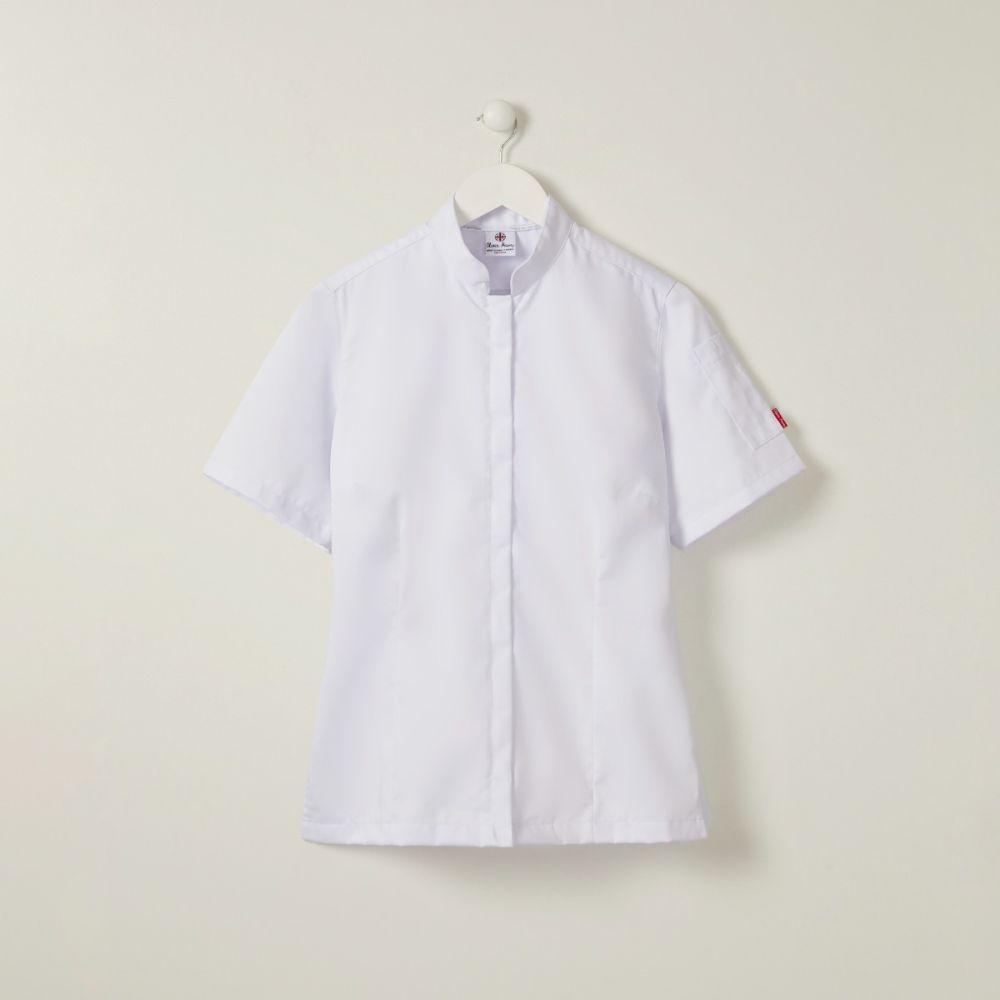
A chef’s jacket, sometimes referred to as a chef coat, is widely known in the culinary world. For a student beginning their career, an experienced Michelin professional, or at-home cooks, a chef jacket can be a symbol of safety, tradition and skill in the kitchen.
At Oliver Harvey, we have been manufacturing premium chef uniforms and chef clothes for the hospitality sector for many years. With a wide range from classic white jackets to gingham trousers and waist aprons, our collections focus on the heritage and evolution of chef's whites, designed for high performance in busy kitchens. In this blog, we cover the most frequently asked questions about chef jackets, such as fabric, care and celebrities’ choices.
Why are chef jackets double-breasted?
Many chefs choose to wear a double-breasted style, a tradition started in the earlier days of the industry which serves functional purposes. The overlapping material ensures chefs wearing this style have extra protection from splashes, spills and heat. This is important for those who work near flames, a grill, or boiling liquids.
Another benefit is protection from stains that may occur during service. Chefs can quickly reverse the front to hide it and highlight a clean appearance, allowing them to maintain a professional look when cooking. This useful design is a favourite for executive and head chefs when choosing their chef coats.
Why are chef jackets traditionally white?
The traditional white chef jacket colour has deep historical roots and is often credited to Marie Antoine Carême for being one of pioneers to begin this. This is because white symbolises good hygiene, authority, cleanliness and discipline, which are all highly valued today.
Also, white jackets allow dirt to stand out, persuading chefs to maintain expected standards in the kitchen. Although modern kitchens have started to influence a range of colours like black, chef whites continue to be a timeless option for hotels, restaurants and culinary arts schools.
What does a black chef jacket mean? While they are often chosen for restaurant branding or practicality, black jackets can be used to symbolise authority, expertise, and professionalism in some kitchens.
Are there different types of chef jackets?
Yes – currently chefs have an endless choice of jackets, each made for different job roles, personal styles and working environments.
Traditional white jackets: Classic, professional and worn across most kitchens to show cleanliness
Black chef jackets: Becoming popular in modern kitchens looking for a contemporary look and useful for hiding stains
Lightweight jackets with CoolMax panels: Suitable for hot kitchens, especially near flames and the grill during long shifts
Short sleeve chef coats: Increases ventilation, breathability and mobility.
Executive chef jackets: Premium detailing like hand rolled fabric buttons and tailored fits for senior roles
Although they all serve a similar purpose, the choice usually reflects the restaurant’s brand and style.
What is the difference between a chef coat and a chef jacket?
The words are often used interchangeably, and generally refer to the same garment. However, ‘chef jacket’ is a more modern retail search term, while ‘chef coat’ has traditionally been used in professional kitchens. Both describe the main protective chef garment, designed for durability, safety and comfort.
Do you wear a shirt under a chef’s jacket?
Yes - most chefs tend to wear a light T-shirt or vest top under a chef jacket. The reason is that it’s more comfortable, helps regulate body temperature during long shifts and absorbs sweat. With poly-cotton blends and modern performance jackets, breathable base layers are a good match.
What is the best fabric for chef jackets?
Picking the right fabric is essential for comfort and longevity, for example:
Cotton:
- Soft and comfortable
- Highly breathable
- Ideal for hot kitchens
Egyptian cotton:
- Strong
- Durable
- Moisture wicking
Poly-cotton:
- Long-lasting
- Easy to wash and maintain
- Good stain resistance
Polyester/ Sustainable Tencel:
- Retains shape over time
- Lightweight
- Environmentally friendly
Professional chefs opt for fabrics based on personal preference, as they each have different features that are suitable to them.
How should a chef jacket fit for safety and mobility?
A chef jacket should ensure flexibility and free movement comfortably. Tight excess fabric can restrict mobility, whilst loose fabric can catch fire or snag.
Key fit considerations:
- Comfort throughout shifts
- Sleeves that protect skin without interfering with cooking
- Space for layering options under
- Secure closures to avoid heat exposure
A well-fitted jacket keeps chefs safe and comfortable so they can work productively and confidently during service.
How to wash a chef’s jacket?
Properly washing a chef’s jacket helps extends its lifespan and ensures it continues to look as good as the first wear.
- Pre-treat stains and spills with a reliable stain remover
- After checking care labels, wash in hot water
- Separate white jackets from other coloured clothes
- Avoid overloading the washing machine
- Air dry or tumble dry on a low heat
How to bleach a chef's jacket
The main thing to know when bleaching a chef’s jacket is that moderation is essential. Too much bleaching can cause yellowing and weaken the fibre over time. Use oxygen- based bleach instead of chlorine if you can, and always read garment care instructions.
How to fold chef jackets
Proper storage is important to prevent creased chef jackets. To fold chef jackets, lay the jacket face down flat, fold the sleeves inside and fold vertically to keep the structure. This allows jackets to be service-ready and minimises the need to iron them as often.
What chef’s jacket does Gordon Ramsey wear?
While styles differ across restaurants and shows, Chef Gordon Ramsay typically wears tailored white short sleeved chef jackets with the occasional change to black chef jackets from time to time. They feature a modern cut, hand-rolled buttons and personalised embroidery, reflecting a traditional and contemporary design.
From traditional white jackets to double breasted styles, the right chef jacket should be protective, comfortable and improve performance in any kitchen.
Whether you’re an executive chef, culinary student or home cook, investing in quality chef jackets will make a big difference.
See Oliver Harvey’s range of chef jackets, made for durability, comfort and a smart appearance. Learn more about customisation in our guide on personalising a chef jacket.
Related Posts

Recent Posts
1
Chef's Aprons: Your Questions Answered
2 Dec 2025
2

12 Days of Christmas 2025!
1 Dec 2025
3
Sustainable Launch
4 Nov 2025
4
Chef's Trousers: Your Questions Answered
30 Oct 2025
5
Buy British Day 2025
29 Sept 2025
 RSS Feed