We use cookies to make your experience better. To comply with the new e-Privacy directive, we need to ask for your consent to set the cookies. Learn more.
What Makes Oliver Harvey Chef Jackets Different: A Craftsmanship Deep Dive
- Oliver Harveys
- News
- 9 Sept 2026
-
33views
What Makes Oliver Harvey Chef Jackets Different
A chef jacket is one of the hardest working garments in any professional kitchen. It faces heat, spills, constant movement and frequent washing, all while needing to stay comfortable, safe and presentable through long shifts.
That’s why craftsmanship isn’t just a nice extra. The fabric, the stitching, the closures, the way a jacket is cut, and every detail affects how it performs day after day.
At Oliver Harvey, those details are the difference.
Fabric built for real kitchen life
The fabric is the starting point of any chef jacket. It has to be durable enough for demanding environments, yet comfortable enough for hours spent in front of heat and steam.
Modern performance fabrics help strike that balance. Moisture‑wicking materials draw perspiration away from the skin, keeping chefs cooler and more comfortable. Stretch blends add flexibility, making it easier to reach, bend and move quickly during service.
Fabric weight matters too. A jacket that’s too heavy becomes uncomfortable in a hot kitchen; too light and it won’t stand up to daily wear. The sweet spot comes from choosing materials that offer both performance and longevity, something we prioritise in every Oliver Harvey design.
Construction that holds up shift after shift
This is where craftsmanship becomes visible.
Mass produced garments are often built for speed. A well-made chef jacket is built for stress especially in the areas that take the most strain.
Reinforced seams and techniques like double-needle stitching help prevent weak points from forming around shoulders, sleeves and side seams. Closures matter just as much. Buttons and studs are constantly opened, closed and washed; therefore, they need to be secure to provide a reliable chef jacket.
These details might not stand out on day one but they make a noticeable difference after months of wear.
Does stitching really affect how long a jacket lasts?
Yes, strong and consistent stitching helps seams stay intact under consistent movement. It’s not the only factor, fabric quality, washing habits and overall construction all play a part but good stitching is a key contributor to long term durability.
Fit that supports movement
A chef jacket shouldn’t get in the way while you're working. Kitchens demand constant movement, for example, reaching, lifting pans, bending, turning and moving quickly between stations. A jacket that’s too tight restricts movement, equally one that’s too loose can feel bulky or unsafe.
Fit doesn't only refer to size, pattern cutting, sleeve length and stretch all impact how freely a chef can move. Even the best fabric won’t perform if the construction doesn’t support real-world movement.
Why some chef jackets last for years
Longevity is never down to one feature, it’s the combination of materials, construction and care.
A well‑made jacket is designed to withstand repeated washing, daily wear and the physical demands of kitchen work. Strong seams, resilient fabrics and reliable closures all help to extend its lifespan.
Unfortunately, every jacket reaches the end of its life. Signs include thinning fabric, stubborn stains, damaged fastenings or seams that no longer hold their shape. Proper care especially following washing instructions can help delay those signs.
How to spot genuine craftsmanship
When comparing chef jackets, look beyond the first impression.
Check the feel and quality of the fabric.
Look closely at seams.
Inspect the closures, do they feel robust enough for daily use?
Consider how the jacket is cut and whether it gives natural movement.
Where and how a garment is made also matters. When the focus is on craftsmanship rather than volume, tighter control over quality, finishing and consistency usually comes from UK made and small batch manufacturing.
Is UK-made or small-batch tailoring worth it?
Small batch and UK made production supports careful material selection, thoughtful construction and consistent finishing. For professional chefswear, value comes from performance and reliability.
For chefs wearing chef jackets daily, those details can make a real difference. A chef jacket that stays comfortable, presentable and practical for longer, usually highlights better value compared to one that requires frequent replacements.
Craftsmanship you can feel
The difference between an ordinary chef jacket and a well‑made one isn’t always obvious at first glance. It’s in the fabric choice, the seam construction, the quality of the closures and the attention given to fit and movement.
That’s the philosophy behind Oliver Harvey: workwear designed for the chefs who rely on it every single day.
If you’d like to explore further, you can dive into our chef jackets or browse common chef jacket questions.
Craftsmanship isn’t about looking professional on day one, it’s about staying dependable shift after shift, wash after wash.
Related Posts

Recent Posts
1
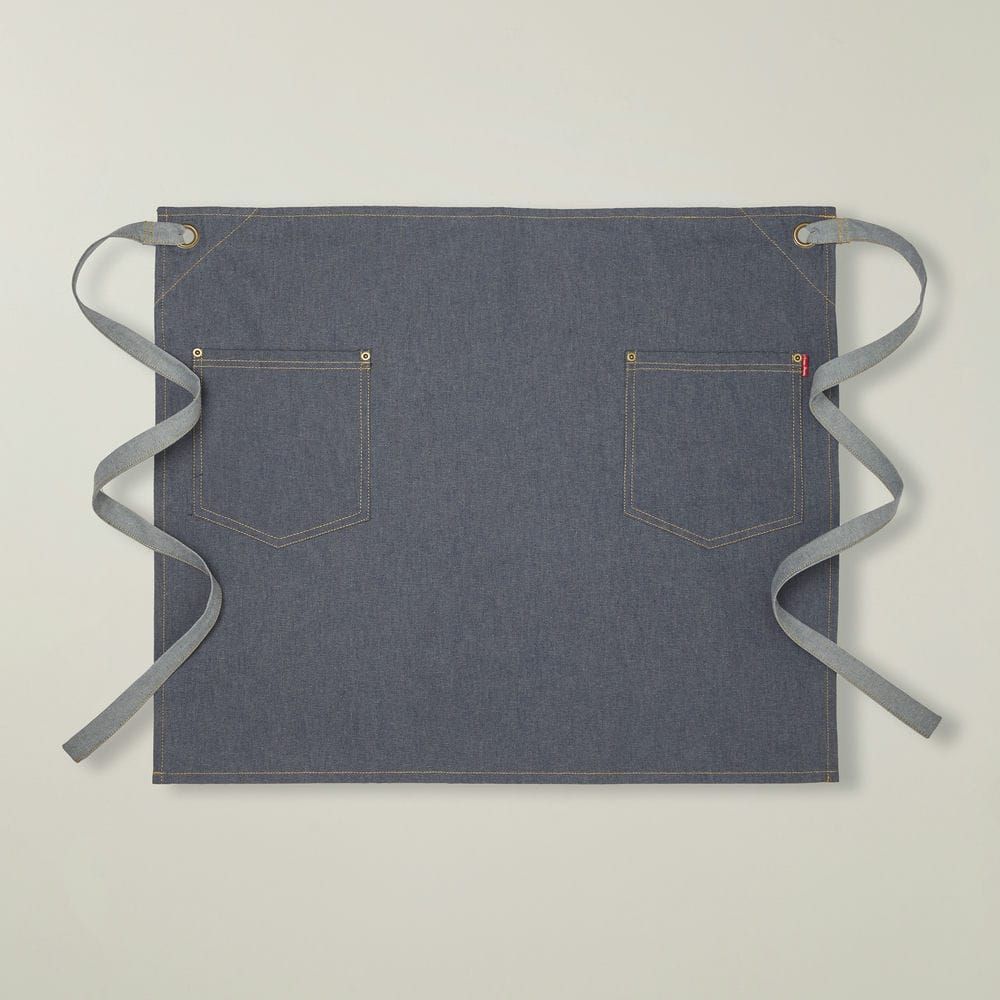
Chef's Aprons: Your Questions Answered
2 Dec 2025
2

12 Days of Christmas 2025!
1 Dec 2025
3
Sustainable Launch
4 Nov 2025
4
Chef's Trousers: Your Questions Answered
30 Oct 2025
5
Buy British Day 2025
29 Sept 2025
 RSS Feed