We use cookies to make your experience better. To comply with the new e-Privacy directive, we need to ask for your consent to set the cookies. Learn more.
Methods for Removing Common Kitchen Stains
- Oliver Harveys
- News
- 22 Oct 2024
-
249views

Maintaining chef whites is essential in any professional kitchen, not just for aesthetics but for hygiene and safety. Whether you’re a Michelin-starred restaurant or a busy cafe, spotless chef whites are a reflection of your professionalism. However, kitchen environments can be tough on uniforms, with stains from grease, wine, and sauces being a daily challenge. Understanding how to keep your chef whites clean and remove common stains ensures your uniform stays sharp and presentable. In this blog, we’ll explore practical tips for washing, maintaining, and prolonging the life of your chef whites, whether you’re handling them at home or using professional services.
Why cleaning your chef whites is important
Clean chef whites are more than just a uniform; they represent professionalism, hygiene, and the high standards of the kitchen. When chefs wear spotless chef whites, it not only showcases their attention to detail but also reassures customers that cleanliness is a priority. First impressions matter, and a chefs appearance plays a crucial role in how diners perceive the overall dining experience.
Beyond customer perception, clean uniforms are essential for maintaining hygiene and food safety. Stains and residue can harbour bacteria, making it vital to ensure that chef whites are properly maintained to prevent cross-contamination. In a professional kitchen, where standards are strict, ensuring that uniforms are regularly cleaned and well-kept is a non-negotiable part of the job.
Common Stains in the Kitchen and How to Treat Them
Chef whites are constantly exposed to a variety of stains in the kitchen, from grease and oil splatters to wine spills and tomato sauce splashes. Knowing how to treat these common stains quickly and effectively can help prolong the life of your uniforms.
Grease and Oil
These are perhaps the most common stains chefs encounter. To treat them, start by blotting any excess oil with a paper towel. Apply a small amount of dish soap directly to the stain, gently working it into the fabric. Wash the jacket as soon as possible, following the care label’s instructions. Avoid using bleach on jackets where it’s not recommended, as this could damage the fabric.
Tomato-Based Sauces
Tomato stains are notorious for leaving marks. The key is to act fast—rinse the affected area with cold water before washing. Using a stain remover or diluted vinegar can help lift the stain before washing at the recommended temperature.
Wine
Blot any excess liquid and immediately sprinkle salt on the stain to absorb the moisture. Rinse with cold water and pre-treat with a stain remover before washing.
Coffee
For coffee spills, rinse the stain under cold water, then treat it with a mild detergent or stain remover. Avoid using hot water initially, as it can set the stain.
For all chef whites, remember to always refer to the specific care instructions to ensure proper treatment without damaging the fabric.
Fabric Care Tips for Long-Lasting Chef Whites
Maintaining the quality of your chef whites goes beyond just removing stains; proper washing and drying techniques are crucial for keeping them looking fresh and professional over time. It is important to remember that what works for one jacket may not work for another due to the different fabric compositions available on the market and it is of paramount importance to check the washing label of your jacket before washing and drying any chef whites you may own.
Washing
Always follow the care label on your chef jackets, as different fabrics require specific washing instructions. For example, jackets like the Dorset may require hotter temperatures to remove stubborn stains, while others need a lower heat setting. Avoid overloading the washing machine, as this can prevent proper cleaning and lead to wear and tear.
Drying
Whenever possible, air-drying your chef whites can help preserve the fabric. If using a tumble dryer, be sure to follow the heat settings recommended on the care label. Some jackets, such as the Cumbria or Cheshire, require a low heat setting to avoid shrinkage or damage.
Ironing
Iron your chef whites on the appropriate heat setting, paying special attention to fabrics that require lower temperatures. Ironing not only keeps your jacket looking sharp but also helps maintain the fabric's integrity.
Avoid Bleach
For jackets that are not bleach-safe, such as the Cumbria or Stratford, refrain from using chlorine bleach as it can degrade the fabric and affect its colour.
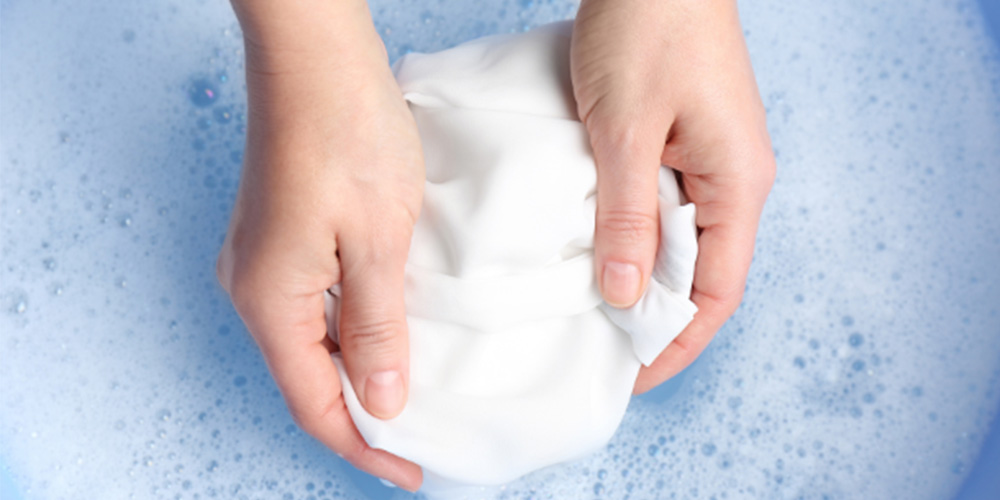
Keeping your chef whites clean is not just about appearance; it’s a vital aspect of professionalism, hygiene, and food safety in the kitchen. By understanding how to treat common stains and implementing effective washing and care techniques, you can ensure that your uniforms remain spotless and presentable. Whether you choose professional laundry services or opt for home washing, following the appropriate care instructions will help prolong the life of your chef whites.
Related Posts




Recent Posts
1
Customer Survey 2026
10 Feb 2026
2
Chef's Aprons: Your Questions Answered
2 Dec 2025
3

12 Days of Christmas 2025!
1 Dec 2025
4
Sustainable Launch
4 Nov 2025
5
Chef's Trousers: Your Questions Answered
30 Oct 2025
 RSS Feed